
3 tools to advance your dental assisting career

The Dental Assisting National Board (DANB) strives to strengthen and elevate the dental assisting profession nationwide, but you may be wondering: “How do these efforts impact my career and future in dentistry?” We often hear from dental assistants that they want to improve their pay and solidify a career in dental assisting.
Since launching a new strategic plan in 2023, DANB has published several resources dental assistants can use to advocate for themselves and their position. These were created to address critical issues within the profession by highlighting the significance of a dental assistant’s role. Here is a closer look at these initiatives and how you can use them to advance your career.
Dental Assistants Salary and Satisfaction Survey
Every two years, DANB conducts a salary and satisfaction survey to stay current on dental assisting compensation trends and the impact salary has on dental assistants — which respondents say is the top factor in job satisfaction. The Dental Assistants Salary and Satisfaction report also demonstrates the value of becoming a Certified Dental Assistant (CDA), including higher salaries, more workplace benefits, and greater confidence. A dental assistant’s salary can vary based on their location, years of experience, and type of practice. However, this data shows that across all locations and years of experience, CDAs typically earn higher wages than non-certified assistants.
Certified Dental Assistant wages by state
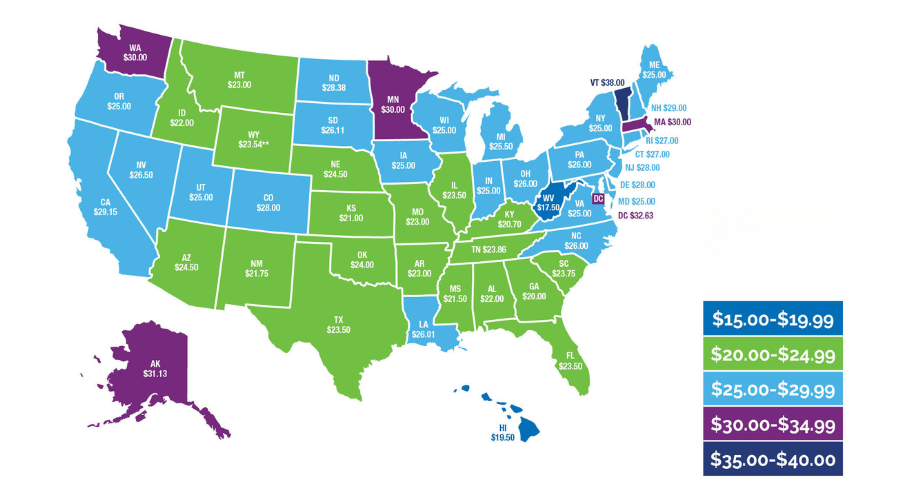
Dental assistants can use the data in this report to gain a better idea of the median hourly wages for their state. They can also cite this data when asking their employer for a raise. For instance, one dental assistant used this survey to help advocate for higher dental assistant pay at his practice and successfully convinced leadership to implement a new pay rate for him and his coworkers.
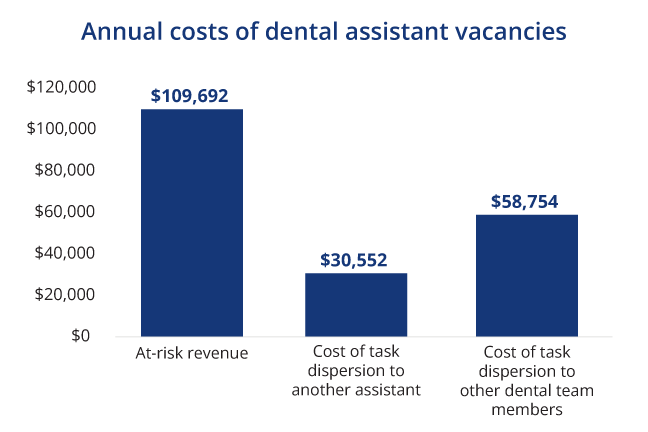
Insufficient pay is the top reason dental assistants leave a position, and the number one cause for assistants quitting the profession entirely. According to the Financial Impact of Dental Assistants on the Dental Practice report, increasing pay can improve dental assistant retention while offsetting the costs of turnover. A vacant dental assistant position can cost a dental practice thousands of dollars in revenue and increased operating expenses. Even when a dental assistant takes time off from work, one in four dental practices decrease or reschedule patient visits. As a result, dental practices experience a 6% decrease in average daily revenue
Because dental assistants play a significant role in practice productivity and efficiency, fair pay is essential for recognizing their efforts and supporting long-term retention. If you feel you are not adequately compensated, asking for a pay raise can feel intimidating. However, approaching the conversation with data, professionalism, and a clear understanding of your contributions can help you communicate your value more confidently and strengthen your case for higher pay. DANB created a retention toolkit to help your practice understand the financial benefits of increasing pay for dental assistants. The toolkit includes a dental assistant pay and financial impact calculator, as well as a customizable email template you can use to communicate with your employer. Both resources can be tailored with real data from your practice to demonstrate the impact of retaining dental assistants with higher pay.
Dental Assisting Professional Model
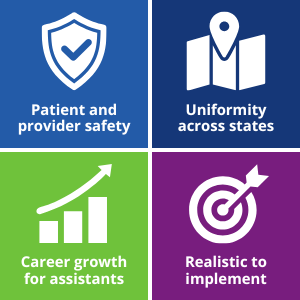
Last year, DANB published the Dental Assisting Professional Model, a framework that proposes consistent dental assisting requirements across states to help standardize and elevate the profession nationally. This model was created by the Dental Assisting Professional Model Workgroup, which includes representatives from numerous organizations across dentistry. Since being published, it has earned endorsements from several leading dental organizations, including the American Association of Dental Boards (AADB), American Dental Assistants Association (ADAA), American Dental Education Association (ADEA), Association for Dental Safety (ADS), and more.
Inconsistent state and educational requirements are a major roadblock in improving workforce shortages. For example, if an expanded functions dental assistant moves to another state, they may have to retake education or exams to meet their new state’s requirements. This model aims to provide a clearer roadmap for career growth and improve mobility for dental assistants across states.
The Dental Assisting Professional Model also benefits employers by clearly defining roles and responsibilities for each level of dental assistant. This can make onboarding more efficient because the framework can be used to develop internal training programs and promotion pathways for dental assistants at their practice.
Read more: