
The state of scaling for dental assistants

A new workforce model is sparking both excitement and controversy in dentistry. As dental practices struggle to find and retain dental hygienists, some states are considering allowing dental assistants to perform supragingival scaling — sometimes called an Oral Preventive Assistant (OPA) — to help address staffing challenges.
The Dental Assistants and Supragingival Scaling report from the Dental Assisting National Board (DANB) shows that dental assistants are mixed in their attitudes toward supragingival scaling. About half expressed support for the new role and interest in pursuing it, if available, while the other half were opposed or unsure. Additionally, some dental professionals are pushing back on dental assistants performing scaling due to concerns around scope of practice and patient safety.
Now more than ever, it’s important to understand the current landscape of supragingival scaling, and what dental assistants from different parts of the country are experiencing.
The key to workforce challenges?
Supragingival scaling is the removal of plaque, calculus, and stains from the portion of the tooth above the gumline. For patients with healthy gums or mild gingivitis, dental hygienists usually focus on cleaning deposits above the gumline as part of preventive care. Patients overwhelmingly said receiving routine cleanings is important, and 75% of those surveyed expected their provider to have attended a career/vocational program or hold a college degree.
However, a national shortage of dental hygienists is limiting patient access to care, with only 60.3% of practices having an adequate number of hygienists, according to the American Dental Association. Rural populations are especially impacted, making it more difficult for patients in these areas to receive regular cleanings.
Proponents of allowing dental assistants to do supragingival scaling say it could help address workforce shortages, expand access to care, and improve practice efficiency. Additionally, this role could provide dental assistants with a path for career advancement and higher pay. While not all dental assistants are in favor of scaling, this skill would require additional education and responsibility, so fair compensation is an important consideration. Of those surveyed, $35 an hour was the desired median pay, but some felt as high as $60 or more was appropriate.
Not all dental assistants support scaling
Allowing dental assistants to scale is being touted as a solution to the workforce shortage, but some dental professionals are strongly against it. Ginny Jorgensen, CDA, CDIPC, is a retired dental assisting educator who is passionate about advancing the dental assisting profession as president of the Oregon Dental Assistants Association (ODAA).
“When I represent ODAA, I’m representing everybody who works as a dental assistant in Oregon,” Jorgensen says. “I believe all dental assistants want to be recognized as professionals.”
When Oregon reviewed proposed regulatory amendments to prohibit dental assistants from performing supragingival scaling in 2025, ODAA aligned with local dental hygienists that say periodontal probing and scaling are essential components of dental hygiene practice and that it is against state law to practice dental hygiene or to present as a dental hygienist without a valid license.
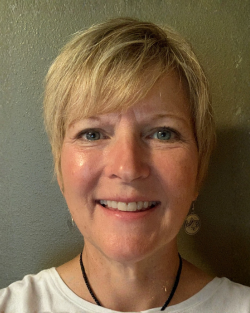
“I’ve seen enough in my day to know that supragingival calculus is often connected to subgingival calculus. Once you begin scaling underneath a gumline, knowledge and expertise becomes imperative for safe, successful periodontal outcomes. I trust dental hygiene instructors when they say it takes more than just a few weekends to learn how to perform any type of scaling to prevent injury.”
— Ginny Jorgensen, CDA, CDIPC
Jorgensen raises concerns about the implications of allowing dental assistants to perform supragingival scaling, particularly around scope of practice, education and training requirements, and patient safety. “When someone says, ’Oh, it’s only going to be supragingival,’ it just doesn’t make sense to me,” she says. “I’ve seen enough in my day to know that supragingival calculus is often connected to subgingival calculus. Once you begin scaling underneath a gumline, knowledge and expertise becomes imperative for safe, successful periodontal outcomes. I trust dental hygiene instructors when they say it takes more than just a few weekends to learn how to perform any type of scaling to prevent injury.”
Jorgensen wholeheartedly supports career advancement for dental assistants, and she recognizes the importance of expanded responsibilities and higher pay. Instead of focusing on scaling, she encourages dental assistants to explore options such as assisted hygiene to grow their role and support the workforce shortage. “There are so many skills in Oregon and other states that dental assistants can already perform to support a hygienist, whether it’s exposing radiographs, recording periodontal probing, giving oral hygiene instruction, coronal polishing, fluoride treatments, or placing sealants,” Jorgensen says.
Expanding access and opportunities
For some dental assistants, adding supragingival scaling to their skillset has been both rewarding and beneficial for patient care. Ashley Sullard, CDA, EFDA, participated in the Missouri Dental Association’s OPA Pilot to expand patient access to care and advance opportunities for dental assistants. Over the course of the OPA Pilot, Sullard attended education sessions and participated in several phases of clinicals with documentation. She was supervised by her practice’s dentist and dental hygienist throughout the program.
“My experience was challenging but rewarding,” Sullard says. “The program required significant time and effort, including extensive hands-on and textbook training. Stepping beyond traditional assisting duties and taking on new skills and responsibilities involved a learning curve, but the experience was ultimately very satisfying.”
The OPA Pilot also provided an opportunity to broaden perspectives. At the beginning of the program, a dental hygienist in Sullard’s practice was hesitant about dental assistants performing supragingival scaling, even on patients with good periodontal health. After seeing the process and outcomes firsthand, her colleague was convinced of the benefits.
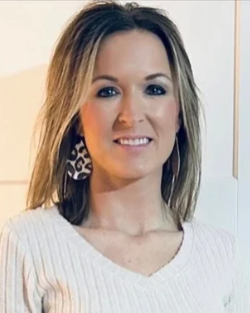
“I do understand why there are concerns; change can create uncertainty, and those who have mixed feelings may not know what the limitations are, or how working hand-in-hand with a Registered Dental Hygienist can provide better care.”
— Ashley Sullard, CDA, EFDA
“I do understand why there are concerns; change can create uncertainty, and those who have mixed feelings may not know what the limitations are, or how working hand-in-hand with a Registered Dental Hygienist can provide better care,” Sullard says. “It gave the hygienist more time to see those with true perio cases that need scaling and root planing.”
To successfully integrate supragingival scaling by dental assistants into the practice, Sullard stresses the importance of clear expectations and good communication among team members. “One of the biggest things I took away from the experience was that expanding the dental team doesn’t have to mean taking away from another profession,” she says. “When everyone understands their role and communicates effectively, the entire team can work together to provide more access and better care for our patients.”
However, Missouri’s proposed regulations have not been without controversy. The Missouri Dental Hygienists’ Association recently filed a lawsuit arguing that the state’s dental board exceeded its legal authority by creating a rule allowing dental assistants to take on procedures reserved for licensed dentists and dental hygienists.
The importance of qualifications and training
While opinions on dental assistants performing supragingival scaling are mixed, there is clear consensus among dental assistants that thorough training and appropriate credentials are essential. And the public agrees — 4 out of 5 patients surveyed said it was very important for providers to have hands-on clinical training and hold a license, registration, or certification.
“I think it’s important to make sure states have clear guidelines, appropriate education and training requirements, and well-defined scopes of practice,” says Sullard. “It’s important that everyone involved understands exactly what an OPA can and cannot do.”
Arizona, Illinois, Kansas, and Virginia currently allow dental assistants to perform supragingival scaling, with Missouri moving their proposal forward. Several other states, including Colorado, Kentucky, Montana, Nevada, Washington, and Wisconsin, have put forth legislation or regulations that did not advance.
Qualifications to perform supragingival scaling vary by state, but dental assistants are typically required to have clinical experience and complete approved education or training. In some states, they might also be required to hold credentials such as Certified Dental Assistant (CDA) certification or expanded functions.
An evolving discussion
The reality is that workforce challenges are impacting dental practices nationwide. Expanding dental assistants’ responsibilities to include scaling is one potential strategy, but solving the shortage of qualified dental staff requires a multifaceted approach that includes adopting DANB’s Professional Model, expanding educational pipelines, and improving employee retention, among other considerations.
As states consider legislation or regulations for supragingival scaling, it’s important that they listen to dental assistants and hear about their experiences, while prioritizing patient safety and professional competency. The future of expanded functions in dental assisting will continue to evolve, and progress will depend on informed discussions, collaborations, and a shared commitment to strengthening the profession.